


Late-Night Pet Sudden Vomiting in Killeen: When to Wait for Your Primary Vet vs. Drive to the Walk-In ER
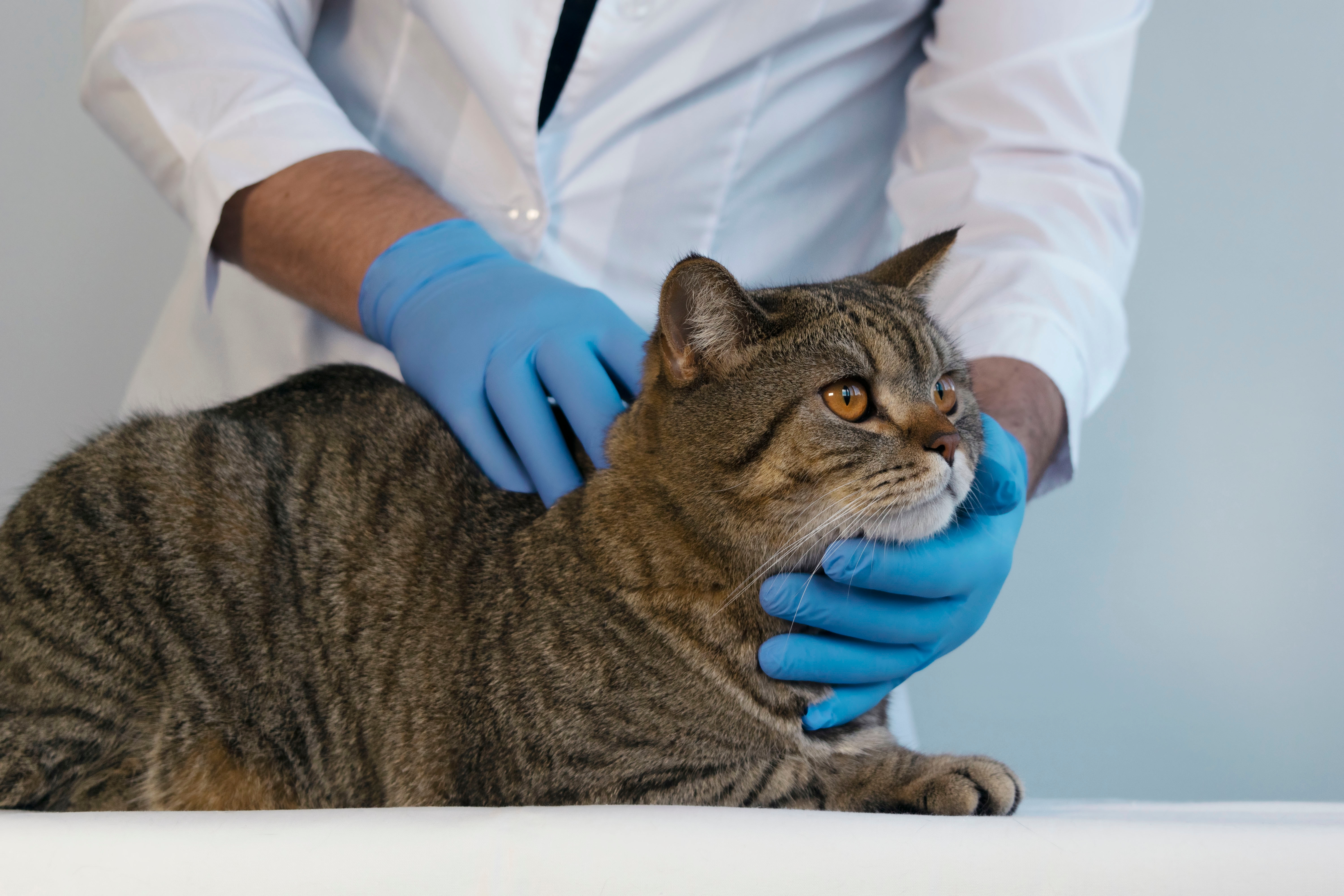
When your dog or cat suddenly starts vomiting late at night, it can be difficult to know whether to wait until morning or seek emergency veterinary care. While occasional vomiting may result from a minor stomach upset, it can also signal a serious medical condition requiring immediate attention. We provide emergency veterinary care for pets experiencing sudden illness, including severe vomiting. Understanding the warning signs can help you make the right decision for your pet.
What Causes Sudden Vomiting in Dogs and Cats?
Vomiting can occur for several reasons, ranging from dietary changes to potentially life-threatening conditions. Common causes include eating spoiled food, dietary intolerance, gastrointestinal infections, pancreatitis, intestinal blockages, and exposure to toxic substances. Although a single episode may not always indicate an emergency, persistent vomiting or additional symptoms should never be ignored.
When Can You Wait Until Morning to See Your Primary Vet?
If your pet vomits once but otherwise appears healthy, monitoring them until your regular veterinarian opens may be reasonable. Your pet should be alert, comfortable, and behaving normally without signs of pain or dehydration. They should also be able to keep small amounts of water down.
However, puppies, kittens, senior pets, and animals with underlying medical conditions may become dehydrated or develop complications more quickly. If vomiting continues, your pet becomes lethargic, or additional symptoms develop, seek emergency veterinary care rather than waiting.
When Is Vomiting a Pet Emergency?
Certain symptoms indicate that your pet needs immediate veterinary attention. Bring your pet to a walk-in emergency vet in Killeen if you notice:
• Repeated vomiting: Frequent episodes or an inability to keep water down.
• Blood in vomit: Red blood or material resembling coffee grounds.
• Abdominal swelling or pain: A swollen stomach, especially with unsuccessful attempts to vomit, may indicate life-threatening bloat.
• Weakness or unusual behavior: Severe lethargy, collapse, pale gums, or difficulty breathing.
• Possible poisoning or obstruction: Suspected ingestion of medications, toxic foods, household chemicals, or foreign objects.
These symptoms may indicate serious conditions that require prompt diagnosis and treatment.
What Should You Do Before Visiting an Emergency Vet?
If your pet is vomiting repeatedly or showing concerning symptoms, avoid administering human medications or attempting to induce vomiting without veterinary guidance.
Document when the vomiting began, how often it occurs, and whether your pet has eaten anything unusual. Bringing a photo of the vomit or packaging from a suspected toxin may help our veterinary team assess the situation.
What to Expect at Our Walk-In Emergency Veterinary Clinic
At Animal Emergency Center of Killeen, our team evaluates pets experiencing sudden vomiting and other urgent medical concerns. Depending on your pet's condition, we may recommend diagnostic testing, including bloodwork or imaging, to identify potential causes. Treatment may involve medications, fluid therapy, or additional emergency care.
If your pet is experiencing sudden, persistent vomiting or other concerning symptoms, visit Animal Emergency Center of Killeen for guidance. Visit our office Killeen, Texas, or call (254) 328-1313 today.


Hours
Monday: 6:00pm - 8:00am
Tuesday: 6:00pm–8:00am
Wednesday: 6:00pm–8:00am
Thursday: 6:00pm–8:00am
Friday: Open at 6:00pm
Saturday: Open 24 Hours
Sunday: Open 24 Hours
Open on All Major Holidays
Monday: 6:00pm - 8:00am
Tuesday: 6:00pm–8:00am
Wednesday: 6:00pm–8:00am
Thursday: 6:00pm–8:00am
Friday: Open at 6:00pm
Saturday: Open 24 Hours
Sunday: Open 24 Hours
Open on All Major Holidays

Powered by: 